Integrating AI in Healthcare Diagnostics
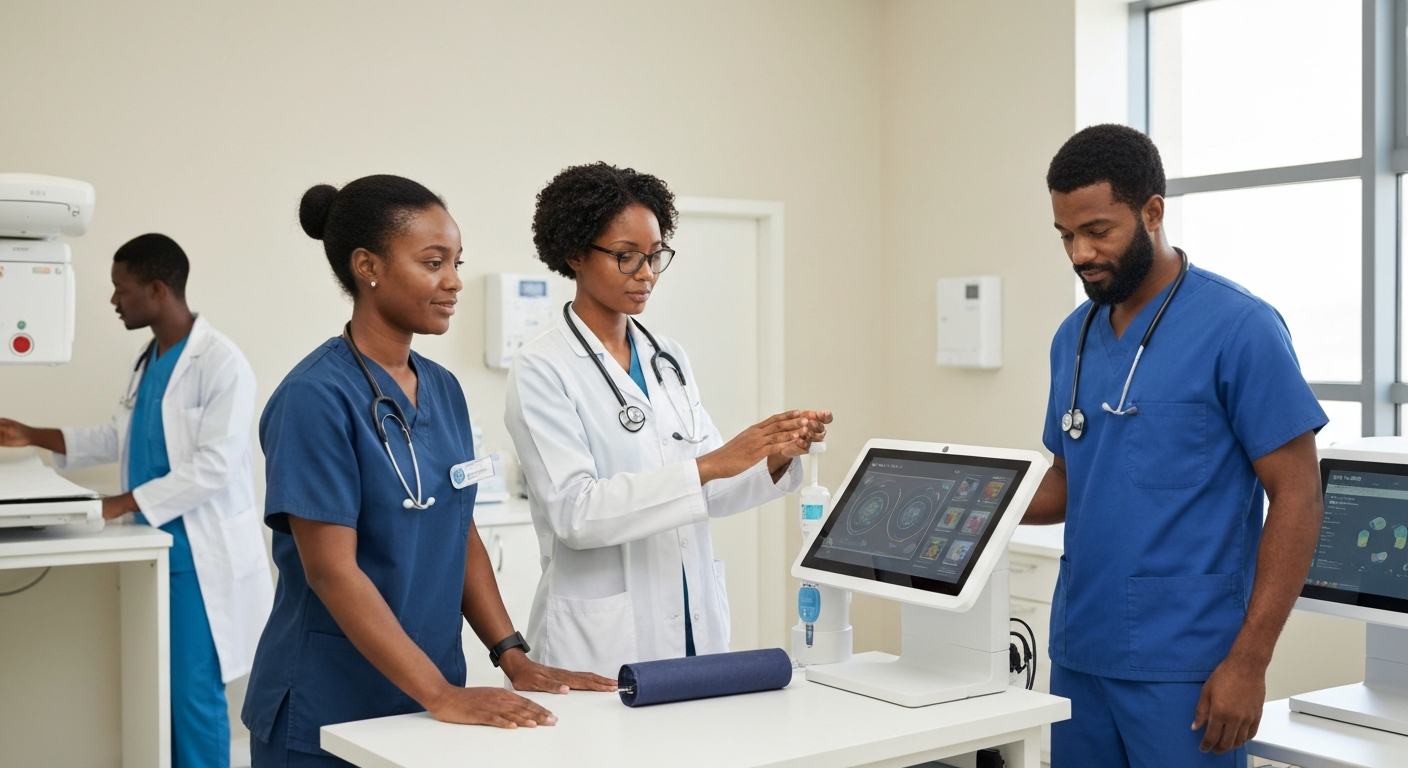
Artificial Intelligence is no longer science fiction; it's a practical tool transforming healthcare. UMG's Healthcare Partnerships are facilitating the integration of AI-powered diagnostic tools in clinics across the continent.
Enhancing Diagnostic Accuracy
AI algorithms can analyze medical images, such as X-rays and MRIs, with incredible speed and precision, often detecting anomalies that human eyes might miss. This leads to earlier diagnoses and better patient outcomes.
1. Addressing Specialist Shortages
In regions with a shortage of specialized medical professionals, AI can serve as a valuable triage tool. It can quickly analyze patient data and flag high-risk cases for immediate attention, optimizing resource allocation.
2. Personalized Treatment Plans
By analyzing vast amounts of patient data and medical literature, AI can assist doctors in developing highly personalized treatment plans tailored to an individual's unique genetic makeup and medical history.
3. Predictive Healthcare
AI can identify patterns and risk factors, allowing healthcare providers to predict potential health issues before they manifest. This shifts the focus from reactive treatment to proactive prevention.
Conclusion
The integration of AI in healthcare diagnostics is a monumental step forward. Through strategic partnerships, UMG is ensuring that these life-saving technologies reach the communities that need them most.