
The Future of Healthcare Partnerships in Africa
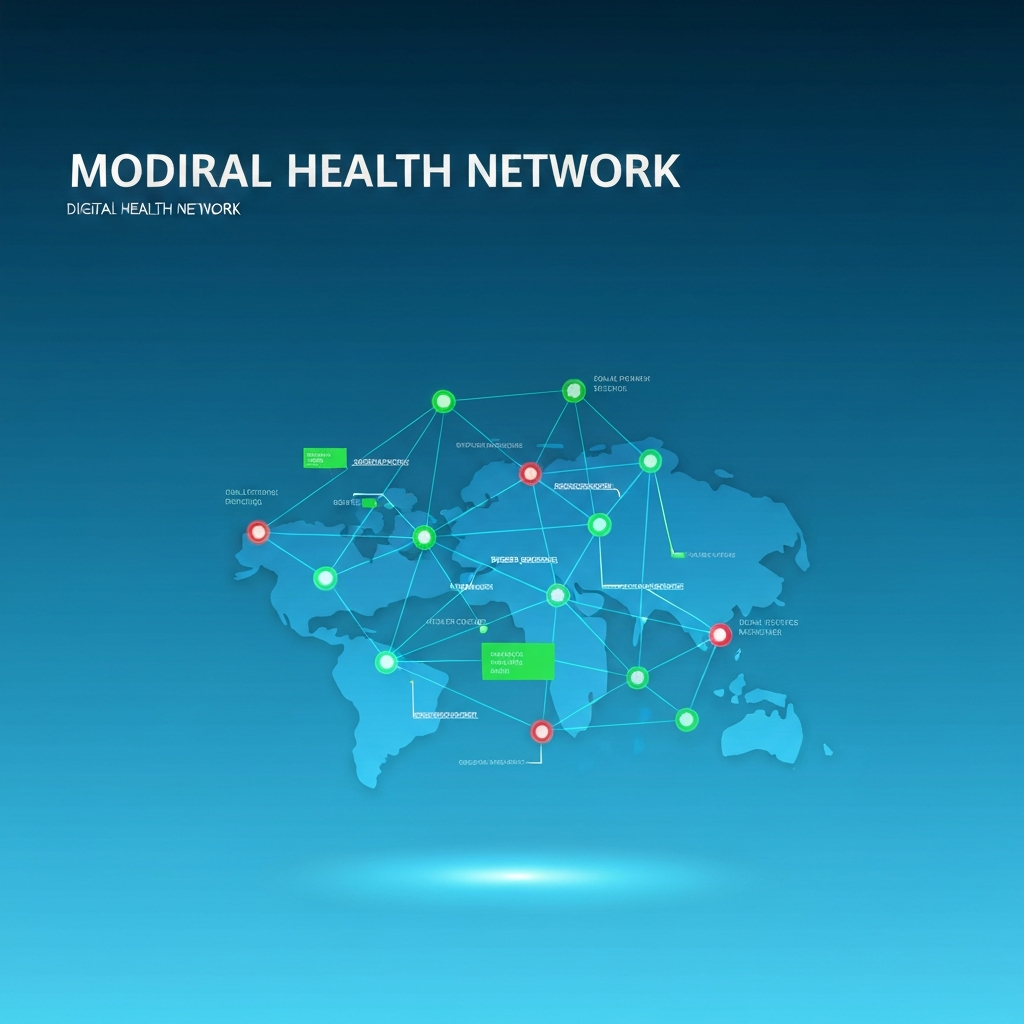
Access to quality healthcare remains a challenge in many parts of Africa. However, strategic partnerships are changing the narrative.
By combining international medical expertise with local knowledge, UMG's Healthcare Partnerships are facilitating the development of state-of-the-art facilities and telemedicine solutions that reach remote communities.
The Need for Collaborative Solutions
The healthcare challenges in Africa are complex and multifaceted, requiring innovative, collaborative solutions. No single organization can address these issues alone. Strategic partnerships are essential for pooling resources, sharing expertise, and driving sustainable impact.
1. Infrastructure Development
Building modern healthcare facilities requires significant investment and technical expertise. Partnerships between international investors, local governments, and healthcare providers are crucial for developing the infrastructure needed to deliver quality care.
2. Capacity Building
Investing in the training and development of local healthcare professionals is vital for long-term sustainability. Partnerships can facilitate knowledge transfer, mentorship programs, and access to advanced medical training.
3. Technology Integration
Digital health solutions, such as telemedicine and electronic health records, have the potential to revolutionize healthcare delivery in Africa. Partnerships can help overcome the financial and technical barriers to implementing these technologies.
Conclusion
UMG is committed to fostering strategic partnerships that strengthen healthcare systems across Africa. By working together, we can improve access to quality care, enhance health outcomes, and build a healthier future for the continent.